
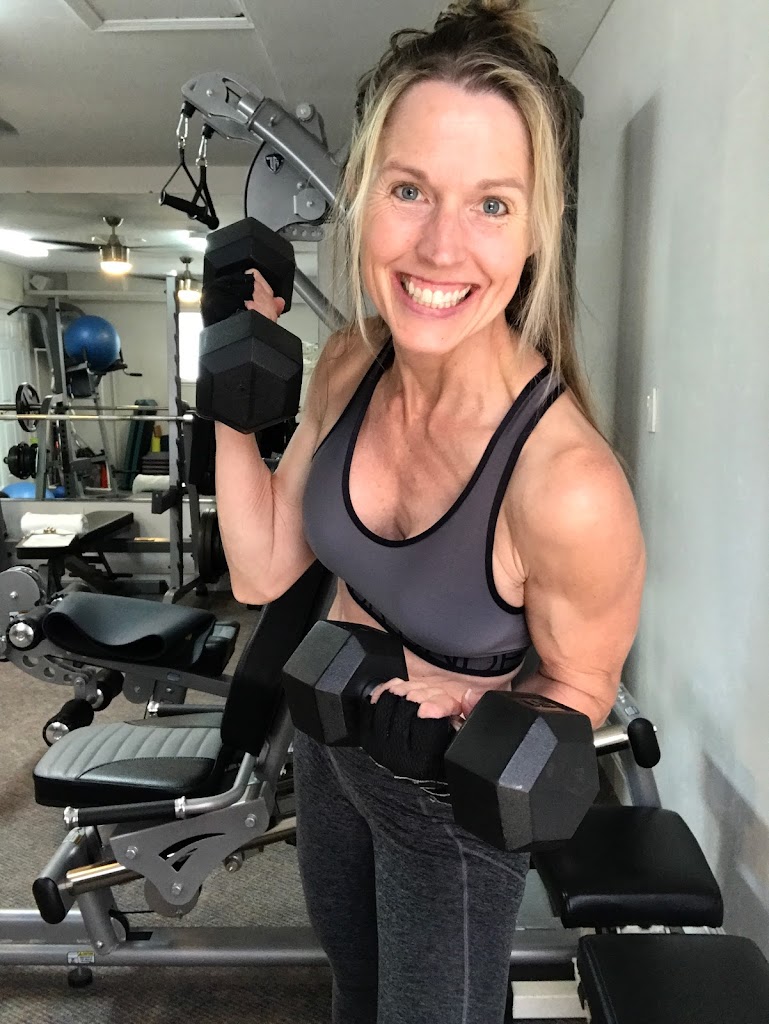
You don’t need high-intensity, sweat-drenched sessions to stay in shape. In fact, effective workouts after 50 look very different from the extreme routines often seen online. The truth is, smarter training beats harder training—every time. At this stage in life, your fitness should support your energy, mobility, and longevity—not wear you down.
Yes, a little discomfort is part of the process. But pain, exhaustion, and overtraining aren’t the goal. Your workouts should be challenging, safe, and—most importantly—sustainable.
Enjoyment Leads to Consistency
If you dread your workouts, they’re probably not the right fit. The most effective fitness plan is one you enjoy enough to stick with. Exercise should feel like a form of self-care, not punishment.
Whether it’s strength training, brisk walking, swimming, or yoga, the key is to choose movement that feels right for your body. Consistency comes from enjoyment—and consistency is where the results happen.
Time-Saving and Results-Driven
Here’s the good news: you don’t need hours in the gym to see real progress. Most people can get a great workout in under an hour when it’s focused and well-structured.
An effective routine should be intentional. It’s about smart movement—not just more movement. Train with purpose, and you’ll build strength, endurance, and confidence without draining your energy.
It’s About Progress, Not Punishment
I’ve trained clients for over 30 years, and one of the most important lessons is this: pain is not a badge of honor. There’s a big difference between a challenging workout and one that breaks you down.
Learn to recognize the difference between normal muscle fatigue and pain that signals a problem. If something feels off, stop and reassess. Modify the movement. Listen to your body. You’re not here to prove anything to anyone—you’re here to take care of yourself.
Fitness Isn’t One-Size-Fits-All
Forget the idea that there’s one “right” way to work out. Your age, fitness level, medical history, and lifestyle all affect how your body responds to exercise.
There’s no shame in going at your own pace. Whether you’re lifting weights, working on flexibility, or walking the dog each morning, you’re building a stronger, healthier version of you. That’s the only comparison that matters.
Nutrition That Supports Your Journey
Exercise is only part of the equation—what you eat plays a major role in how you feel, recover, and perform. But just like workouts, nutrition isn’t one-size-fits-all. The goal is to fuel your body in a way that supports energy, strength, and long-term health.
For many people over 50, that means focusing on whole, nutrient-dense foods. Think lean proteins like grilled chicken, salmon, or legumes; fiber-rich vegetables such as leafy greens, broccoli, and bell peppers; and healthy fats from sources like olive oil, avocado, and nuts. Whole grains like quinoa, oats, or brown rice can also help support steady energy throughout the day.
Skip the crash diets. Instead, aim for meals that balance protein, healthy carbs, and fats in a way that keeps you satisfied and energized. Eating well should feel good, taste great, and support your active lifestyle—not restrict it.
Rest Is Part of the Plan
More isn’t always better—especially when it comes to training. Overtraining can wear your body down, delay recovery, and increase your risk of injury. As we age, recovery becomes just as important as the workout itself.
Most people do best with three to five solid training days each week. That leaves room for essential rest, mobility work, and active recovery like walking or gentle stretching. Your body gets stronger between workouts—not during them.
The 5 Components of Smart Fitness
A well-balanced fitness routine touches on these five essential areas:
- Muscular strength
- Muscular endurance
- Cardiovascular endurance
- Flexibility
- Healthy body composition
You don’t need complicated routines or expensive gear. A mix of resistance training, cardio, mobility work, and a few daily movement habits can go a long way toward keeping your body strong and resilient.
Small Steps Lead to Big Results
You don’t have to overhaul your entire lifestyle overnight. Start with small, consistent steps. Add 20–30 minutes of walking a few times a week. Incorporate light strength training. Stretch daily. Build from there.
The key is progress, not perfection. Over time, these simple habits build a foundation for lifelong health.
Let’s Age Strong—Together
With over 30 years in the fitness industry, I’ve helped people of all ages feel stronger, healthier, and more confident through personalized, practical training. I believe in the power of smart movement and solid nutrition—especially as we age.
If you’d like more tips and inspiration, I share regular videos and insights on Instagram all about staying fit, strong, and injury-free after 50. I’d love to have you join me there.
Thanks for stopping by the blog—and remember to subscribe so you never miss a free update. Here’s to smarter workouts, healthier choices, and aging strong—one smart step at a time.
I appreciate your selecting my Blog post and positive feedback. Hoping for an amazing grade!
I’m supposed to write a critique on a fitness article for my class and I chose this one and I have to say, I have nothing but positive things to say about this blog to my classmates ????????