
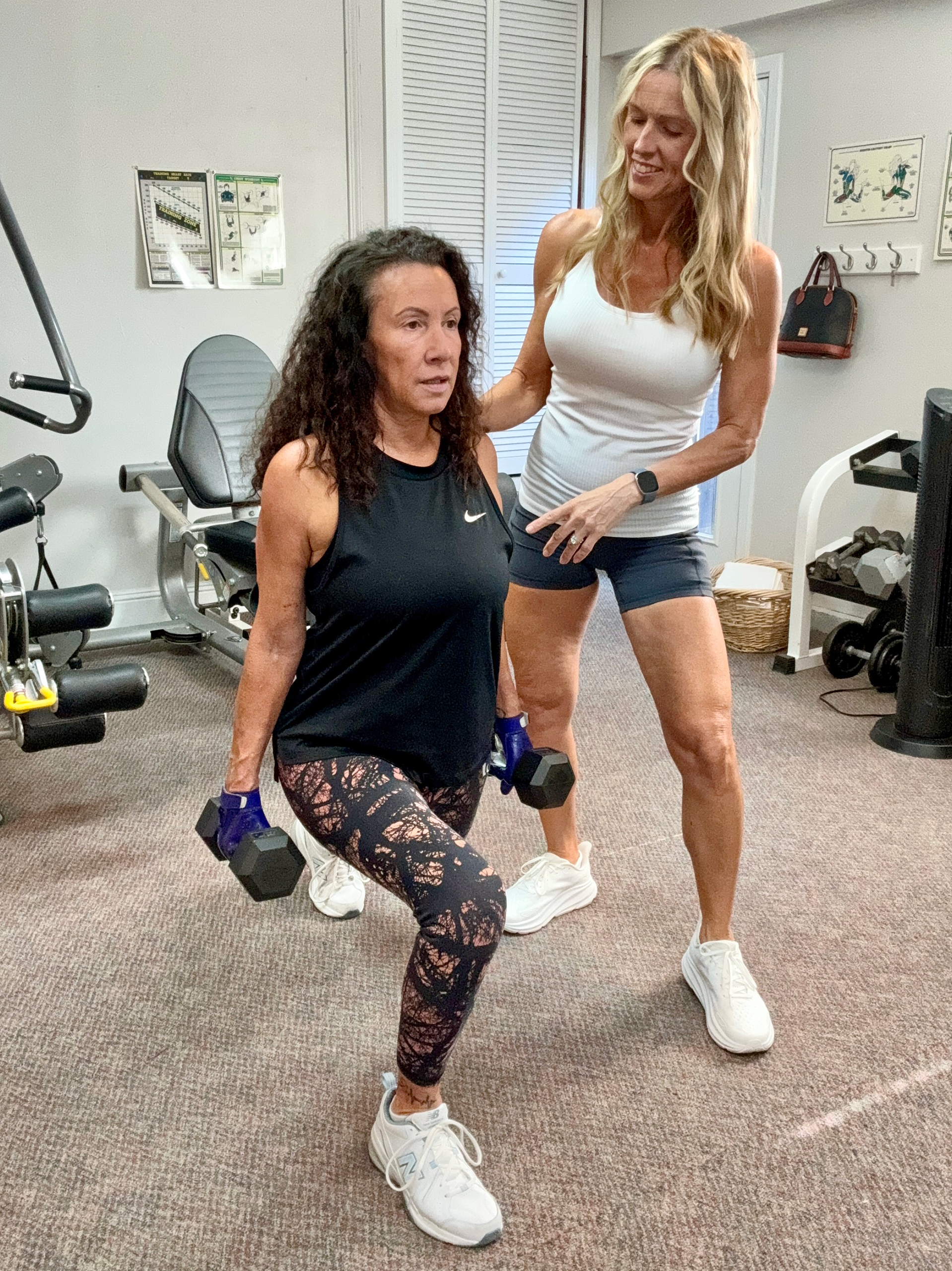
Maintaining proper form during exercise is one of the most important ways to ensure your workouts are both effective and safe—especially as we age. Poor form increases your risk of injury, slows your progress, and can turn a great workout into a painful setback.
Injuries during exercise are more common than you might think, particularly when you’re tired or not paying close attention to how your body moves. One of the biggest mistakes? Picking up weights incorrectly or performing exercises with poor posture.
Let’s dive into the importance of form, body mechanics, and how you can move better to stay strong, active, and injury-free after 50.
Why Proper Form Matters
Good form isn’t just about looking polished—it’s about functionality and safety. When you move correctly, you activate the right muscles, reduce stress on your joints, and avoid unnecessary strain.
Exercise should enhance your life, not set you back. Injuries can take weeks or even months to heal, especially as we get older. Prioritizing form helps you avoid these delays and keeps your fitness journey moving forward.
The Connection Between Form and Function
Every exercise should start with awareness. That means not just the movement itself, but how you pick up your weights and how you return them to the floor. Form matters from start to finish.
Using proper form:
- Helps your muscles work efficiently
- Prevents injury
- Improves workout effectiveness
- Encourages long-term consistency
There’s nothing fun about getting injured because of careless movement. Thankfully, it’s avoidable with the right habits in place.
Body Mechanics: Your Built-In Injury Prevention
Body mechanics refers to how you move during daily activities and exercise. The better your mechanics, the more naturally and safely you move—both in and out of the gym.
Before lifting weights or beginning any movement, check in with your body:
- Are your feet grounded and stable?
- Is your posture tall and aligned?
- Are your core muscles engaged?
- Is the resistance appropriate for your strength level?
These small check-ins make a big difference. And good form isn’t just for workouts—it applies to everything from loading the dishwasher to picking up a laundry basket.
One helpful habit: gently draw your navel toward your spine throughout the day. This simple cue helps engage your core and builds awareness of how you’re sitting, standing, and moving.
Over time, these habits become second nature—and you’ll naturally carry that same awareness into your workouts.
What Good Form Looks Like in Action
When form breaks down, effectiveness drops—and the risk of injury rises. One common example is when someone does bicep curls by swinging the weight or arching the lower back. That’s not only ineffective, but it puts unnecessary strain on the spine.
Instead, aim for:
- Slow, controlled movement
- Stable posture
- Engaged muscles—not momentum
Good form leads to better results and fewer limitations. It’s the foundation for building strength, flexibility, and mobility—without pain.
Tips to Maintain Good Form Over 50
Here are some practical ways to keep your form strong and your workouts safe:
- Start with a proper warm-up
- Choose weights that allow for control, not ego
- Move slowly and deliberately
- Never compromise form to lift heavier
- Use a mirror to check your posture
- Stop any movement that feels off
- Focus on how the movement feels—not just how it looks
And remember: work at your own pace. What someone else can do doesn’t matter—what matters is what’s right for your body today.
Final Thoughts from a Coach Who’s Been There
As a personal trainer, coach, and blogger with over 30 years of experience, I’ve helped hundreds of clients over 50 stay active, strong, and injury-free.
I share regular fitness tips, videos, and guidance on aging well through movement on my Instagram page—I’d love to have you join me there.
Thanks for visiting my blog! Be sure to subscribe so you never miss a free update or tip designed with your health and longevity in mind.
Key Takeaways
- Proper form is essential for safe, effective workouts—especially after 50
- Pay attention to body mechanics during both exercise and everyday activities
- Use appropriate resistance, posture, and control in every movement
- Make body awareness a habit that supports you for life