
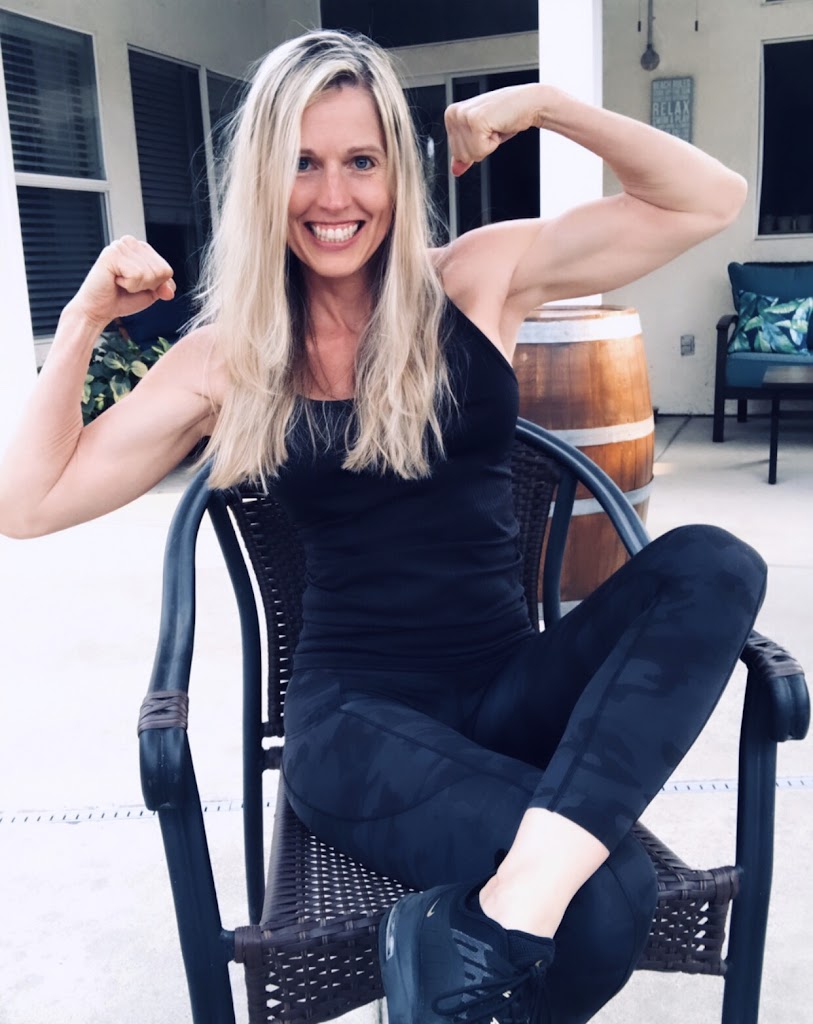
Sustainable fitness for life after 50 doesn’t require extreme workouts or restrictive diets. In fact, the key to long-term health is training smarter, not harder. As we age, our bodies respond better to thoughtful movement, balanced nutrition, and consistent routines that support energy, strength, and mobility.
This post will show you how to make smarter choices that help you stay strong, injury-free, and motivated well into your 50s, 60s, and beyond.
Shift Your Mindset: Train With Purpose
Fitness after 50 isn’t about pushing harder—it’s about working in a way that supports your energy, joints, and long-term goals.
When you adopt a smarter fitness mindset, you begin to:
- Train for longevity, not exhaustion
- Plan nutrition based on real needs, not trends
- Listen to your body, instead of forcing it
This approach leads to better consistency, fewer injuries, and more joy in the process.
You Don’t Need to Overdo It
The idea that hours in the gym = results is outdated—and potentially harmful.
As we age, the body needs time to recover. Overtraining can:
- Stress joints and ligaments
- Suppress your immune system
- Disrupt sleep and hormone balance
- Lead to burnout or injury
Short, effective workouts are your best friend. You can make serious progress in just 30–60 minutes, a few days a week, as long as you’re training with good form and intention.
What Science (and Experience) Tells Us
The American Heart Association recommends:
- 150 minutes of moderate-intensity cardio per week
- Or 75 minutes of vigorous activity
- Strength training at least twice per week
- Less sitting, more movement
- Gradual increases in duration and intensity
I always encourage clients to aim for at least four workouts per week, mixing strength, balance, flexibility, and core stability.
Your body is still capable of progress—just in a more thoughtful, sustainable way.
Food for Strength, Not Stress
Nutrition often becomes complicated after 50—but it doesn’t have to be. Many people overeat “healthy” foods or rely too heavily on supplements, especially protein powders.
Here’s what works:
- Choose whole, minimally processed foods
- Include lots of vegetables, lean proteins, and healthy fats
- Watch portion sizes—too much of even a good thing can backfire
- Stay hydrated and eat mindfully
Avoid cutting out food groups or falling for extreme diets. Your body needs balance, not restriction.
Burnout Isn’t a Badge of Honor
Let me say it clearly: you don’t have to feel exhausted or sore every day to be fit. In fact, overtraining can lead to:
- Decreased muscle growth
- Poor recovery
- Mental fatigue and guilt-driven workouts
- Even hormonal imbalances
When fitness becomes punishment, it stops being healthy. Appropriate, well-planned workouts do the job without draining you.
Consistency beats intensity—every time.
Fitness That Supports the Life You Love
The best part of sustainable fitness? It frees you to enjoy your life more fully.
You don’t need to chase perfect. Instead:
- Focus on how your body feels
- Prioritize energy and function
- Train to stay active, mobile, and confident
- Let go of “all or nothing” thinking
Whether you’re gardening, hiking, traveling, or simply keeping up with the grandkids—fitness after 50 should support the life you want to live.
Final Thoughts
In your 50s and beyond, you deserve a fitness routine that works with your body, not against it. Train smarter. Eat well. Move often. Skip the extremes.
That’s what lasting health looks like.
I share weekly fitness and wellness tips designed for women and men over 50 on my Instagram page. Come follow along—you’ll find simple workouts, healthy aging advice, and a community of people just like you.
Let’s age strong—smarter, not harder.
Thanks for stopping by my Blog. Don’t forget to subscribe and never miss a free update!
So true, I do Zumba, Aqua fit and some strength training three days a week and it’s enough.
Hi Rowan,
Thanks for reading and your comment. Sorry to hear this and instead of losing it, start again with a different mindset. More is not better, better is better. Be well and Stay Healthy!
I agree with this, overtraining caused me to quit and lose fitness instead 🙁
Sports and drink juice in the morning and running a day eat vegetables are the best thing possible for fitness