

Health is at the heart of everything I share on my blog. Most of my posts focus on motivation, healthy living, and actionable tips to help you lead a better lifestyle. Today’s topic is deeply personal, yet it also touches on a crucial aspect of health: the impact of fibroids and how they can affect a woman’s quality of life, especially after 50. In this post, I’m sharing my personal experience with fibroid surgery—specifically, why I chose an open myomectomy, and how it’s transformed my health and well-being. If you’re navigating fibroid symptoms or surgery yourself, I hope my journey offers you insight and encouragement.
In 2018, I underwent surgery to address fibroids, and sharing my experience with you is my way of offering hope, insight, and support to those who may be struggling with similar health challenges. If you’ve been dealing with fibroids or suspect you might have them, I hope my story helps guide you toward making an informed decision about your health.
What Are Fibroids?
Fibroids are non-cancerous tumors that grow in or around the uterus, made of muscle tissue. They can vary in size from small to large, and depending on their size, some women may appear to be pregnant, while others may feel chronic discomfort or pain. Though the exact cause of fibroids is unclear, research suggests that genetics, along with hormones like estrogen and progesterone, can play a role in their development. For most women, fibroids shrink after menopause, but for some, including myself, they can continue to grow or cause symptoms.
It’s essential to understand that while fibroids are benign, they can still significantly impact your life. If you’re in menopause and experiencing growth or symptoms, it’s crucial to discuss it with your healthcare provider. Increased risk of cancer can occur when fibroids continue to grow during menopause, making timely diagnosis and treatment vital.
My Fibroid Struggle: Symptoms and Impact on My Life
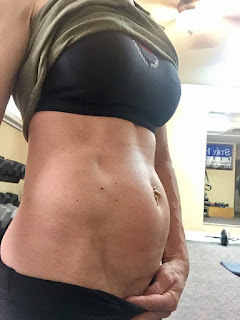
For years, I ignored or attributed my symptoms to something else, such as chronic bladder problems. But after my health declined further, I realized I was dealing with something far more serious. My fibroid tumor was pressing against vital organs, leading to various symptoms that were difficult to ignore.
Here are some of the symptoms I dealt with regularly:
- Urinary Urgency & Pain: Waking up 3-4 times a night to use the bathroom and feeling like I always had to pee, which was draining.
- Abdominal Distention: On some days, I looked 5 months pregnant, which took a toll on my self-esteem.
- Lower Back Pain: Constant pain that sometimes radiated down my legs, mimicking sciatic nerve issues.
- Constipation: The fibroid’s pressure on my colon made this a frequent and frustrating issue.
- Pelvic Pressure & Pain: A heavy, bloated feeling in my pelvic region that often made even walking uncomfortable.
- Pain During Sexual Intercourse: The discomfort became another daily struggle.
If you’re experiencing similar symptoms, please know you’re not alone, and it’s important to seek a proper diagnosis.
How I Got Help: Finding Answers and Solutions
When I first consulted my doctor, I was diagnosed with a 6.7cm fibroid (the size of a small orange), which was sitting directly on my bladder. The tumor was closer to 8cm by the time of my surgery. It became clear that I needed treatment, and I wasn’t going to settle for a rushed solution.
I sought out a second opinion from another gynecologist to ensure I was making the best decision for my body. It’s always a good idea to gather multiple perspectives when it comes to your health, especially something as significant as surgery.
In my first consultation, I was told that a complete vaginal hysterectomy was my only option. I left feeling devastated and unheard. In contrast, my second consultation was much more encouraging. My gynecologist listened carefully to my concerns, answered all my questions, and explained the options, including an open myomectomy. We decided to move forward with the surgery I felt was right for me.
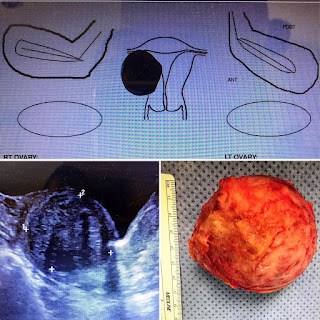
Why I Chose an Open Myomectomy
Choosing the right surgery to treat fibroids is a deeply personal decision. While a hysterectomy might have been easier, I chose to have an open myomectomy, which involves removing the fibroid while preserving the uterus. Here’s why:
- Sexual Health: The uterus plays a role in sexual function, and I was concerned about the potential risk of sexual dysfunction after a hysterectomy. Many women report difficulty achieving orgasm post-surgery, though it varies. I wasn’t willing to take that risk.
- Desire to Keep My Uterus: Even though I’m over 50 and in menopause, I wanted to preserve my uterus. I believe women deserve choices about their bodies, and being in menopause shouldn’t automatically eliminate those options.
- Bladder and Colon Concerns: A hysterectomy carries an increased risk of bladder and colon prolapse, which I couldn’t afford, given my history of colon surgery.
The open myomectomy required an abdominal incision similar to a C-section. It was an invasive procedure, but I felt confident in my doctor’s expertise, and I knew it was the best decision for me.
The Surgery and Recovery
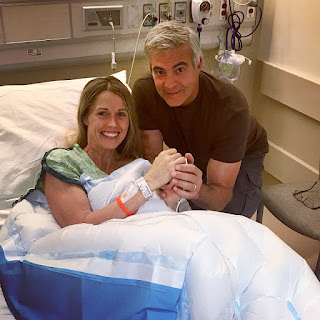
To be completely honest, an open myomectomy is a painful procedure. Post-op pain can be intense, and you’ll likely need pain management for relief. I spent two days in the hospital, and the first day after surgery is mostly a blur due to the sedatives. The pain was high, but it was manageable with the right medication.
Recovery took time—about six weeks in total. The first week was the toughest. I had limited mobility, and I struggled with pain. I weaned myself off painkillers after five days due to side effects like constipation and brain fog. Instead, I relied on over-the-counter meds like Ibuprofen and Tylenol, along with a compression pillow and plenty of rest.
I’ll admit, as someone who values fitness, I had unrealistic expectations for my recovery. But the surgery was a humbling experience. I had to take it slow, focus on healing, and let my body rest.
How I Feel Now: A New Lease on Life
It’s been four weeks since my surgery, and I’m starting to feel like myself again. While I still experience some discomfort, I’ve already noticed significant improvements:
- Urinary Urgency: Gone.
- Pelvic Pressure and Pain: Gone.
- Lower Back Pain: Gone.
- Abdominal Distention: Gone (except for normal post-surgery swelling).
- Improved Sleep: No more waking up constantly to use the bathroom.
- Better Quality of Life: No more debilitating days controlling my life.
- Improved Sex Life: Everything is functioning well and better than before.
I’m excited to slowly ease back into light cardio and weight training next week, but I’ll continue to listen to my body and take it easy.
Encouragement for Others
Fibroids can feel overwhelming, but you don’t have to face them alone. If you’re dealing with symptoms, I hope my experience gives you insight and encouragement. Remember, every woman’s journey is unique, so don’t hesitate to seek multiple opinions and choose what feels right for you.
Please share your own experiences in the comments below—your story could be just the support someone else needs.
As a personal trainer with over 30 years of experience, I share fitness and health tips for aging well on my Instagram page. I’d love for you to follow along and join our community!
Thank you for reading. Don’t forget to subscribe so you never miss a new update!
Hi! It is really weird I have same location fibroid, same size and same triangle freckles on right side on belly, but I am 31 years old. Maybe we are relatives �� I want to find more information about surgery and I found your article.
Hi and sorry to hear about your struggle with fibroids. I researched UFE and didn't care for the negative side effects and feedback from the procedure. After discussions with my physician, the open myomectomy was the best choice for my case. I am glad you are being pro-active in your health care and doing what is right for you. I did consult with 3 physicians before moving forward. I hope that helps. Wishing you the best with your treatment and recovery. Stay Healthy.
Hi, can I ask if you considered UFE? I am in so much discomfort & weighing up my options for fibroid surgery & am trying to get as much information as possible, thanks.
Hi – sorry to hear about your struggle with fibroid/s and glad I was able to provide valuable information prior to your surgery. I understand being nervous and this is completely normal. May you be surrounded by family and friends to help you through this journey. And, may your surgery be a success with a healthy recovery. If it is any comfort, the quality of my life post-surgery is better than ever. Be well and Stay Healthy.
Thank you for sharing your story. I'm 46 year old woman and am having myomectomy surgury (laparscopic) this coming monday! i chose a myomectomy for all the same reasons as you did. Was hard to find stories similar to mine, so was happy to find yours. Thanks again for sharing! i'm so nervous about the surgery but at the same time excited to get this 11cm fibroid out of my uterus!